
 wideanglenews
A silent killer is creeping into Delhi’s homes—sometimes through fast food, sometimes through a sedentary lifestyle, and sometimes through prolonged screen time on mobile phones, laptops, and TVs. Obesity, a physical condition that forces us to think but remains difficult to control, is on the rise in the national capital. Data indicates that nearly 81% of people in Delhi-NCR are overweight or obese.
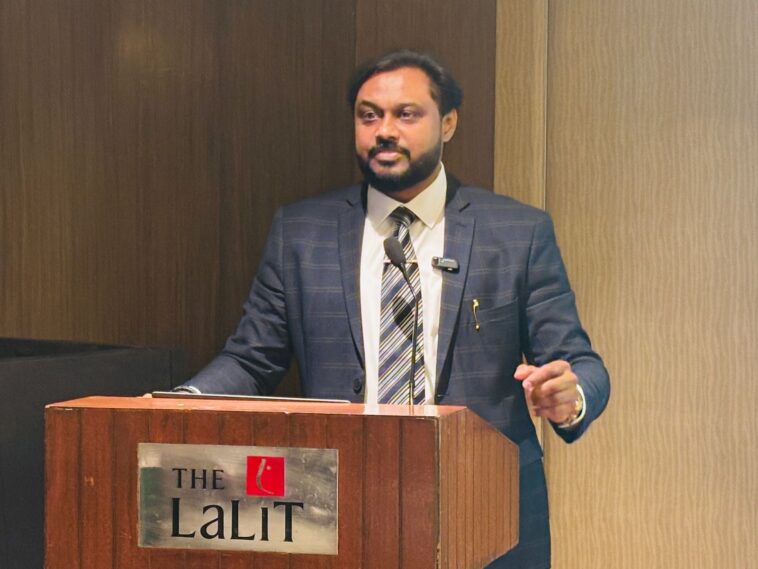
In light of this alarming trend, MASSH Hospital organized a press conference on the occasion of World Obesity Day. The event featured insights from Dr. Sachin Ambekar, Medical Director and Director of Minimal Access Surgery at MASSH Hospital, and Mansi Bansal Jhunjhunwala, Founder & CEO of MASSH Group of Hospitals.
Dr. Sachin Ambekar emphasized, “Obesity is not merely a cosmetic concern but a severe medical condition that can lead to diabetes, high blood pressure, heart disease, and even various types of cancer. Modern medical advancements, particularly Minimal Access Surgery (MAS), provide effective solutions to this problem. Techniques such as ballooning, 3D laparoscopic vertical sleeve gastrectomy, 3D mini gastric bypass, and 3D laparoscopic Roux-en-Y gastric bypass are available for weight loss surgery.”

He identified processed and high-calorie diets, sugary soft drinks, large portion sizes, junk food, and stress-induced overeating as major contributors to obesity. Additionally, rapid urbanization and shrinking living spaces have led to reduced physical activity, while excessive screen time (TV, mobile, laptop) has further fueled a sedentary lifestyle.
Obesity not only affects body shape but also increases the risk of heart disease, high blood pressure, type-2 diabetes, infertility, and osteoarthritis. It can also cause breathing issues and elevate the risk of cancers such as breast, stomach, colon, and kidney cancer. Furthermore, obesity is linked to mental health concerns like depression and anxiety.
Mansi Bansal Jhunjhunwala, Founder & CEO of MASSH Group of Hospitals, highlighted that At MASSH, we believe in the P5 approach—Personalized, Participatory, Predictive, Preventive, and Precision care—ensuring the right treatment at the right time. Our vision goes beyond treating illness; we focus on addressing its root cause to minimize the footprint of disease. Obesity, like any other health challenge, must be tackled at the grassroots level through proactive prevention and timely intervention.
According to a survey, 80.7% of people in Delhi-NCR are obese, yet 78.5% still consider themselves to be of normal weight. Areas such as Punjabi Bagh, Rohini, Greater Kailash-2, South Extension, and DLF have been identified as obesity hotspots.
A study conducted by the Indian Council of Medical Research (ICMR) revealed that obesity is rising rapidly across India. The study, conducted in Tamil Nadu, Maharashtra, Jharkhand, and Chandigarh, found that urban areas have a higher obesity rate than rural regions. The prevalence of General Obesity (GO) was recorded as follows: Tamil Nadu (24.6%), Maharashtra (16.6%), Jharkhand (11.8%), and Chandigarh (31.3%). The prevalence of Abdominal Obesity (AO) was 26.6% in Tamil Nadu, 18.7% in Maharashtra, 16.9% in Jharkhand, and 36.1% in Chandigarh. Women, individuals from higher socioeconomic backgrounds, and those with diabetes or high blood pressure were found to have a higher likelihood of obesity.



GIPHY App Key not set. Please check settings